‘Plantage aan de gracht – Stories of People and Power’ links the world of 18th-century Amsterdam financiers directly with that of enslaved people.
16 October 2026 to 4 April 2027 | Venue: Huis Willet-Holthuysen, Amsterdam
From the historic building that now houses Huis Willet-Holthuysen, substantial wealth was amassed in the eighteenth century through the colonial plantation economy. The exhibition ‘Plantation on the Canal – Stories of People and Power’ sheds light for the first time on the direct connection between the former residents of this canal-side house and the plantations in Suriname. The exhibition links the power and wealth along the canal directly to the stories of the enslaved people on the Jagtlust plantation.
From a canal-side house to a Surinamese plantation
‘Plantation on the Canal – Stories of People and Power’ lays bare the financial structures behind the plantation economy and shines a light on the people affected by this system. Two former residents of the property play a key role in this. From his ‘Surinam office’ in the house, banker Willem Deutz (1697–1757) developed an innovative credit system (the ‘negotiation’) in which plantations – and, by extension, enslaved people – served as collateral. After Deutz, merchant Fredrik Berewout (1692–1777) moved into the property with his family. He owned several plantations, including Jagtlust. Drawing on historical objects and archives, the exhibition links their financial power directly to the colonial economy and to the lives of the 125 enslaved people on this plantation in 1786. The exhibition gives a voice to the lives of 48 men, 52 women, 8 boys and 17 girls, who were recorded in the archives primarily as property.
New research into the Willet-Holthuysen House
The exhibition is the result of new historical research by curator Thijs Boers (Amsterdam Museum). His research not only demonstrates that the canal-side house was a pivotal part of the 18th-century colonial economy centred on former residents Deutz and Berewout, but has also brought to light the names and lives of the 125 enslaved people from the Jagtlust plantation. Bringing these two worlds together – the financial decision-making on the canal and the consequences for the people in Suriname – forms the starting point of the exhibition.
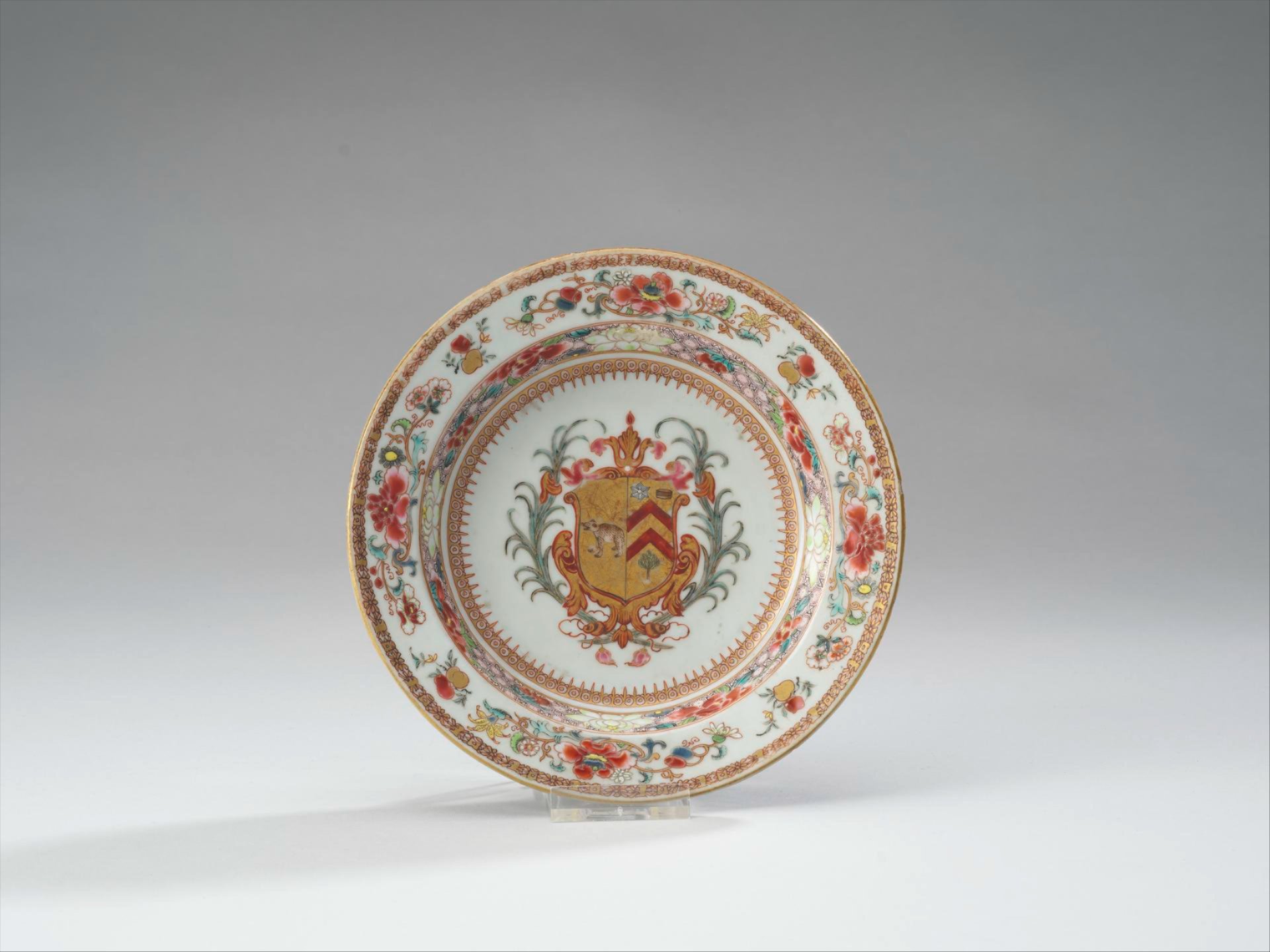
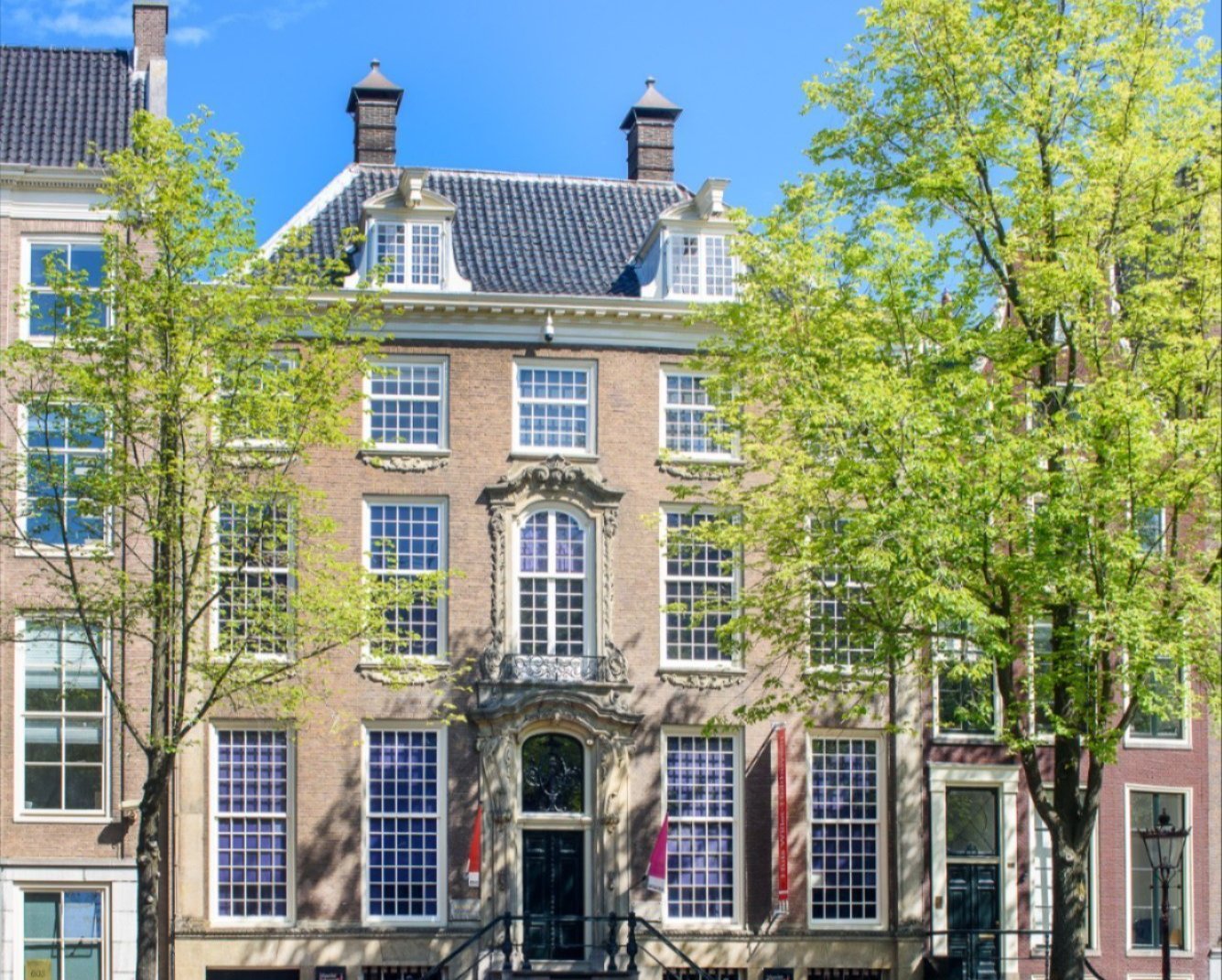
Left: Coat of arms panel bearing the Berewout family coat of arms, one of a set of six panels, from the Amsterdam Museum collection, photo: Amsterdam Museum. Right: Front view of the Willet-Holthuysen House at 605 Herengracht, Amsterdam, photo: Amsterdam Museum.
“What began as an investigation into bankers, investments and loans developed into a profound encounter with 125 enslaved people whose names are linked to Huis Willet-Holthuysen,” says Judikje Kiers, chief executive of the Amsterdam Museum. “By linking historical sources with contemporary art and the stories of descendants, we are adding a new, significant and, quite literally, degrading chapter to the history of this canal-side house.”
“By focusing on the people who were enslaved on the Jagtlust plantation, we recognise them as individuals with their own identities and histories. Rediscovering and naming them is a first step towards giving them the place in history that has been denied them for too long,” said Thijs Boers.
Contemporary art and reflection
As well as historical documents, the exhibition makes room for artistic reflection. In the garden of the canal-side house, the artists’ collective Sites of Memory, together with Judith Westerveld and Jörgen Gario, presents the installation *A Conversation with the Past for the Future* (2026). Together with Natasja Kensmil’s work *White Elephant* (2019), this forms a dialogue with the silences and gaps in the historical archives. Presenter and actress Dolores Leeuwin leads the audio tour. As a descendant of a woman enslaved on the Jagtlust plantation, she connects this history with its repercussions in the present day.
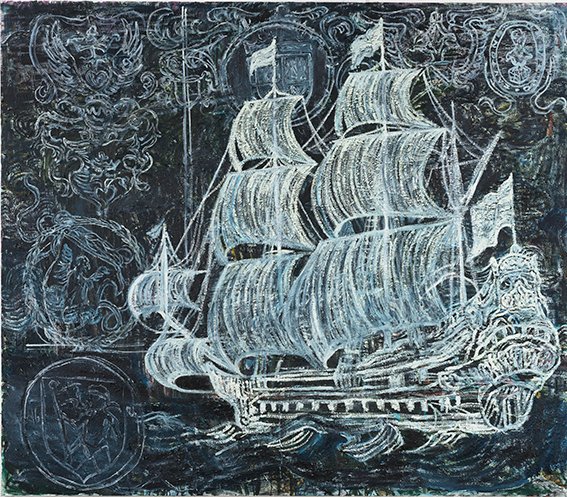
White Elephant, Natasja Kensmil (2019), Amsterdam Museum, photo: Peter Cox
Fifth renovation of the Willet-Holthuysen House
‘Plantage aan de gracht – Stories of People and Power’ is the fifth instalment in a series of exhibitions at Huis Willet-Holthuysen. As part of this programme, the Amsterdam Museum invites a diverse range of creators, artists and guest curators to respond to the history and collection of this canal-side house. Drawing on new research, archival discoveries and contemporary perspectives, they continually shed light on a different facet of the house. Previous editions took place in collaboration with, amongst others, visual artist Maaike Schoorel, musician ANOHNI, ballroom house House of Vineyard and the artist duo Sander Breure & Witte van Hulzen
The exhibition ‘Plantage aan de gracht: stories of people and power’ will be on display from 16 October 2026 to 4 April 2027 at Huis Willet-Holthuysen, Herengracht 605, Amsterdam.
About the Amsterdam Museum
The Amsterdam Museum is a city museum that connects residents and visitors with the city and with one another. With a collection of over 100,000 objects, the museum showcases more than 750 years of Amsterdam’s history, art and heritage. It does so through exhibitions and public programmes organised with a wide range of partners across the city.
The Amsterdam Museum’s main site on Kalverstraat is currently undergoing renovation. The museum organises exhibitions and programmes and displays items from its collection throughout the city. The museum is also open daily at two permanent venues: the historic Huis Willet-Holthuysen on Herengracht and Amsterdam in Motion in Westergas Culture Park. Meanwhile, the main site on Kalverstraat is being renovated in close collaboration with the City of Amsterdam.
The Amsterdam Museum is celebrating its 100th anniversary. The museum is marking the occasion with a 100-day festival featuring a programme of events across the city. This exhibition opens during the festival.
For more information and our current programme, please visit amsterdammuseum.nl.
The Amsterdam Museum receives ongoing support from its main benefactors, the Municipality of Amsterdam and the VriendenLoterij, and its main partner for education, the ELJA Foundation.


 Nederlands
  English (UK)
  Français